Comments (0)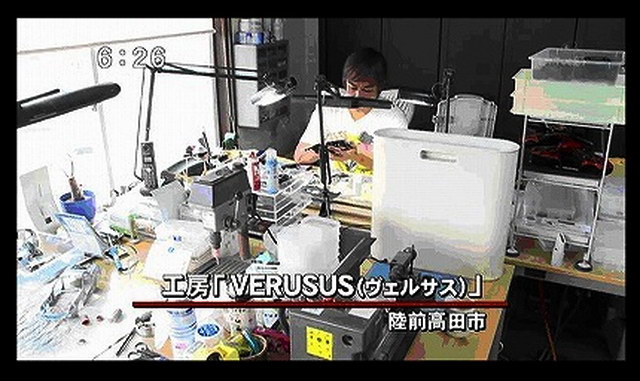

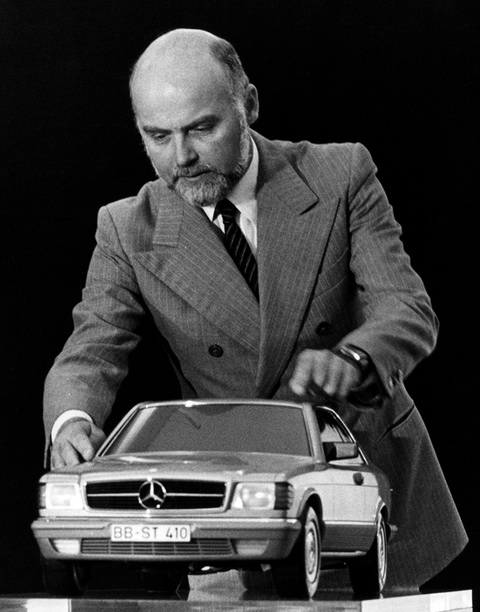
M. Benz的傳奇設計師Bruno Sacco
By admin, March 9, 2015 11:45 am
締造銷量傳奇的設計師Bruno Sacco,曾經參与四代S級(W116、W126、W140、W220)的設計工作。其中,W126的產品周期長達14年,創造了818105台的銷量奇跡,成為史上最暢銷的豪華車之一。
來自法國的致敬!
By admin, March 8, 2015 5:32 pm
以下是一位法國收藏家sygiano對Versus多年所做出的貢獻致以最誠懇的評價。
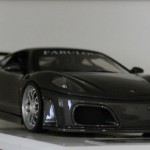
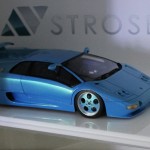
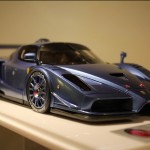
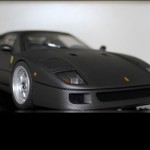
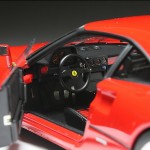
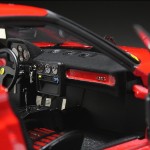
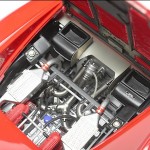

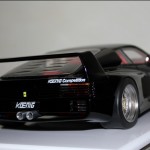
For all Versus Collectors:
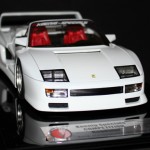
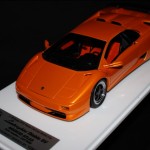
I finally decided write about Versus so that model collector will know better what was this brand that disappeared in 2011 as everyone knows now with the Tsunami that destroyed few towns in the North East of Japan. Especially Rikusen Takata where Versus was making its modelcars The purpose is to share information about this famous brand. So that the Versus work of art still remains in collectors memory.
The builder of the brand, Masanori Akashi, was a hand craft builder that started to be world famous in 2006/2007. Early, I guess he was already famous in Japan where he was producing 1/18 scale models mainly from resin kits or transkits provided by APM. Fisrt the products he was realizing were under another brand M&H (at this stage, we are several persons to think that it is the names of Masanori’s daughters Maria and Hikari). In 2006/2007, the brand has already changed to Versus. On the Japanese market, another brand was used called Veloce because Masanori made also cars for Veloce who adapt transkits on real cars.
All the cars were made in very limited quantity but this is not for that reason that the cars have value in my eyes. The accuracy and the building of the cars are the best result achieved for non industrial 1/18 model cars (I only know this scale…) in my opinion of course. The car choices were in a word “Super cars and super tuned cars” I know this is already six words, but also “one off models under customer request also in 1/24 scale and 1/12 scale”, sorry I should have said in many words…
I list here the models I have in mind but will certainly forget many cars, sorry for that… and fell free to add all information that you want One other particularity is painting method, all painting has been completed with the PPG system (same as the Ferrari factory in Maranello), the best quality worldwide.
Super tuned cars:
Strosek: Only the Diablo Strosek Based on an APM resin full kit
Koenig:
- First the F48 which was a resin transkit for the Burago 348 TB, there are two versions, the TB and the TS;
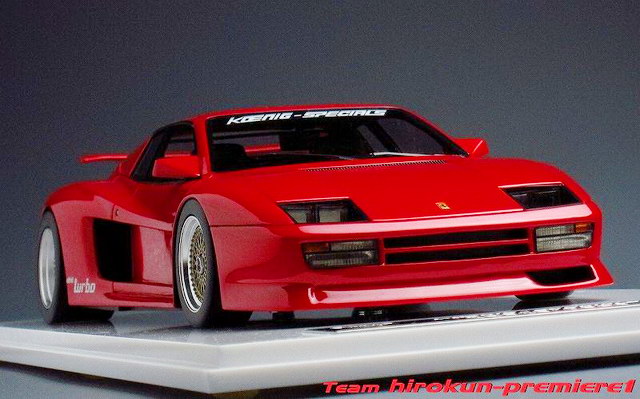
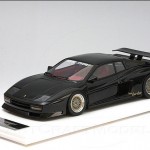
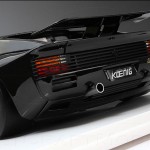
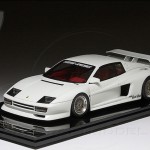
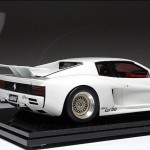
- The Testarossa Koenig Twin Turbo, KS1, KS2, also in spider for the last two. All are APM resin kits;
- The F355 light tuned: based on a UT F355;
- The 512 BB based on an APM resin Kit.
Fabulous: Only the F430 based on a hotwheels with an APM resin transkit
Hamann:
- The 360 coupe and spider based on a hotwheels and enhanced with an APM resin transkit;
- The F430 coupe and roadster, fisrt edition with an APM transkit for a Hotwheels and the second based on an Elite F430 with a resin transkit (home made?);
- The 599 Fiorano: based on a hotwheels with a resin transkit;
- The California: based on an Elite with a resin transkit;
- The Murcielago Hamann coupe and roadster based on an autoart Murcielago.
Gemballa: The Testarossa and the MIG- U1 are both full resin kits (not from APM though)
Veilside: Only the Murcielago rodster and coupe based on the norev Murcielago
LB Performance: Only the Murcielago based on a Norev Murcielago
Novitec Rosso:
- The California: based on an Elite with a resin transkit;
- The F430 : based on an Elite with a resin transkit;
- The 599 Fiorano: based on a hotwheels/Elite with a resin transkit.
Other serie models:
- Diablo 6.0: Based on an APM resin full kit;
- Diablo SV: Based on an autoart with an APM resin transkit;
- Diablo VT: Based on an autoart with an APM resin transkit;
- Diablo SVR: Repaint of an Autoart Diablo SVR;
- Diablo SE35th: Based on an APM resin full kit;
- Scuderia 16M: based on a hotwheels with an APM transkit;
- F430 Super GT: based on a resin JP Model full kit in a different livery, Rosso Corsa, Carbon and Jim Gainer. This one is special in the fact that it is kind of a premium version called “PREMIER” with an evea base (but few cars come with an aluminium base).
GT Concept cars:
- F50: Based on an APM resin full kit;
- Enzo 2005: APM kit or transkit;
- Enzo Evoluzione (BBS rims): APM kit or transkit;
- 612 Scaglietti: APM kit or transkit;
- FXX: Based on an APM resin full kit;
- 360 Modena GTC Présentation.
One Off models:
- F40 GTE: Based on a burago with a scuderia modelli transkit (and perhaps robustelli transkit);
- F40 Evoluzione: Based on a burago with a Robustelli transkit;
- F40 Taisan #34 red/black: Based on a burago with a Robustelli transkit;
- F40 Taisan #40 red: Based on a burago with a Robustelli transkit;
- F40 LM: Based on a kyosho with an APM resin transkit;
- 288 GTO: Based on a burago with a Robustelli transkit;
- Diablo SE30 Purple coupe and Roadster. If you want to add more information feel free to do it.
Sometimes Bigger than Bigger is a Good Thing!
By admin, March 8, 2015 5:19 pm
1/10 Exoto LMC10011 Ford GT40 Mk II #1, Second, 1966 Le Mans 24 Hours, Ken Miles, Denny Hulme, L.E. 1/1,966, Individual Chassis Number.
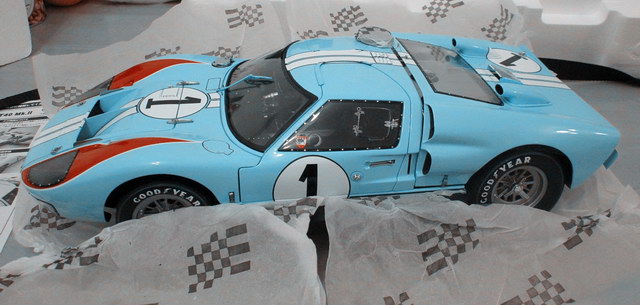
The car that won LeMans in 1966…no, really! When asked which Ford GT40 was victorious at LeMans in 1966, most knowledgeable enthusiasts would describe the black and silver #2 car of Bruce McLaren and Chris Amon, and technically, they’d be correct.
After years of development, extensive testing, enormous investment, and tragic loss of life, Ford was finally ready to directly challenge Ferrari’s supremacy in the arena of long-distance sports car racing. In 1966, Ford Racing seeded the LeMans contest with no fewer than eight 7 litre GT40’s, in hopes of unseating the dominant Ferraris. As the grueling race unwound, engine failure and accidents eliminated all the competitive Ferraris, assuring Ford its first LeMans victory. In an act of near hubris, Ford decided to stage a ‘photo finish’ for its top three cars. Ronnie Bucknum and Dick Hutcherson driving car #5 were in third position, albeit 12 laps down. Chris Amon and Bruce McLaren piloting car #2, were in second on the lead lap, following Ken Miles and Denny Hulme in car #1. As the cars bunched up nearing the finish line, Miles inexplicably braked, allowing McLaren to slightly pull ahead and cross the line first. Ford crews believed the #2 car to be a full lap in arrears, but the race officials disagreed, and awarded the win to McLaren and Amon. The calculated margin of victory after 24 hours of brutal racing? 24 feet!
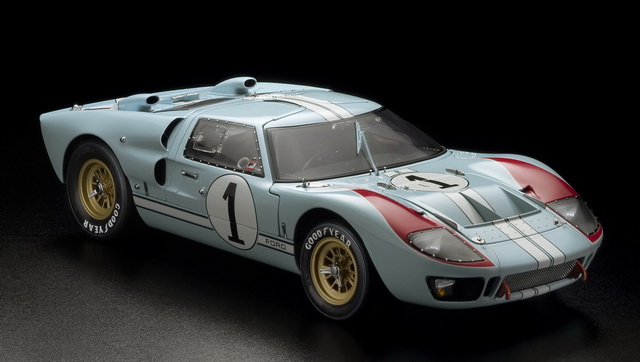
GT40’s have been extensively modeled, from 1:43 through 1:8 scales. This featured GT40 is from Exoto, and is extremely impressive in its 1:10 size. Although other manufacturers have done outstanding work with larger scale pieces, in our opinion, this Exoto model stands head and shoulders above the rest. The level of detail is mind-boggling, and the fit and finish propel this model to rank among the very best limited edition die cast pieces ever produced.
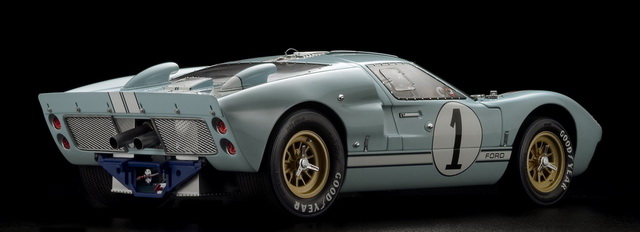
Firstly, it’s big, and it’s heavy, imparting to the viewer a very real sense of solidity and substance. The light blue paintwork is flawless, and the decal application is razor-sharp. A myriad of open body vents are painted flat black on the inside, with absolutely no overspray whatsoever; an incredible achievement which enhances the model’s realism. We’ll just touch on the detail highlights (from front to rear) but for the prospective owner, one can literally spend hours exploring this magnificent piece….it’s that good!
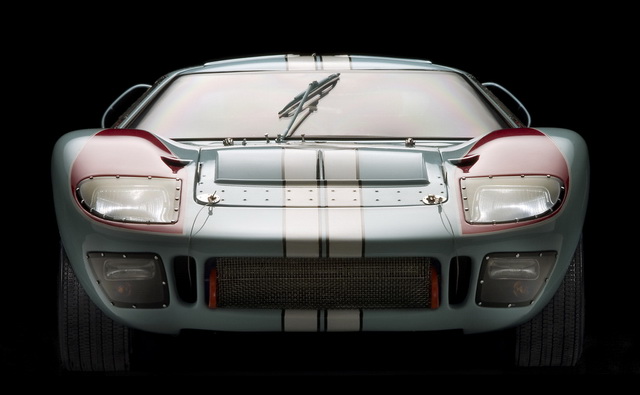
The perspex headlight and foglight covers fit perfectly into the bodywork and are convincingly secured with individual chrome-plated rivets. The head and fog light lenses are correctly patterned as well.
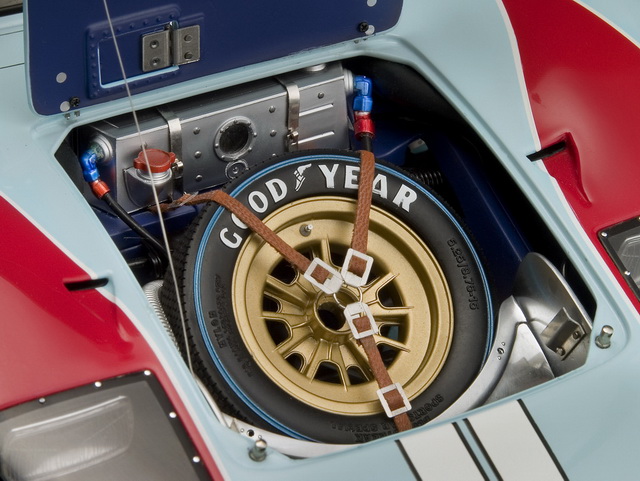
Carefully removing the wire-anchored hood pins allows the front spare tire cover to be raised on its substantial hinges, revealing a beautifully detailed compartment. Real leather straps secure the Goodyear tire and Halibrand wheel snugly in an aluminum-framed tub, while the remaining space is filled with the oil reservoir, steering rack, brake cooling hoses, and a lovely photo-etched coolant radiator.
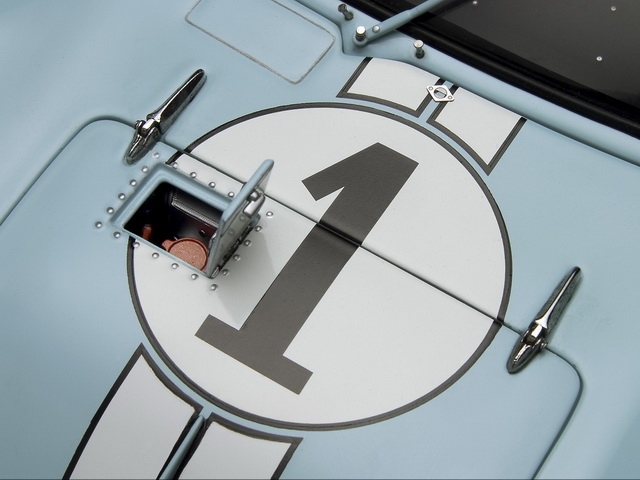
The spare tire cover’s travel is limited by a braided wire strand, and a tiny, hinged access door is inset just above the oil filler cap. Remarkable!
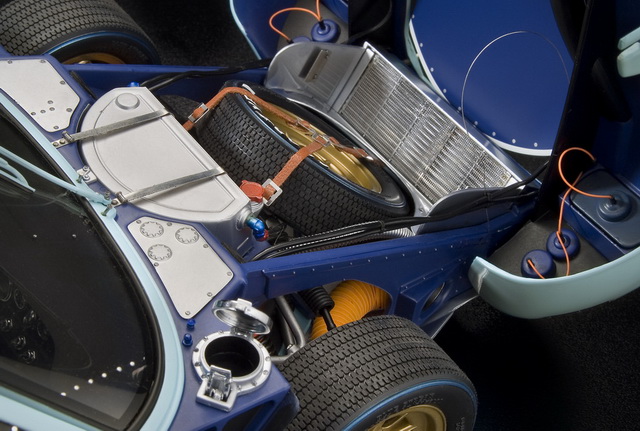
Releasing the functional front clamshell latches and swinging the bodywork forward exposes just how much is going on ‘up front’. The entire oil reservoir now becomes visible, replete with metal tie-down straps and a nifty clear ’sight glass’ to quickly check oil levels.
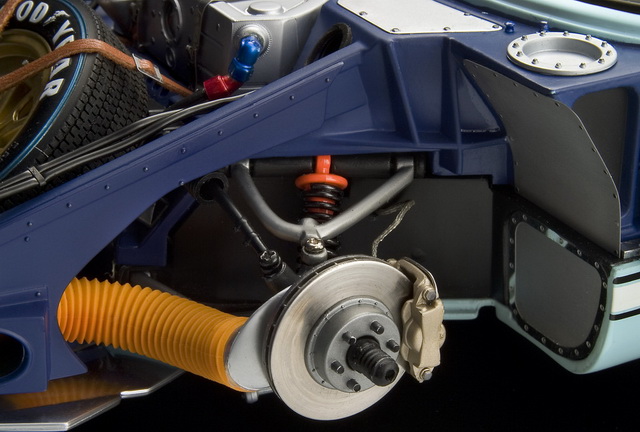
The intricacies of the front suspension reveal themselves, with robust coilover shocks, braided brake lines, and flexible brake cooling ductwork. The head, running, and fog lights are all wired delicately and convincingly. By the way, the suspension is fully functional as well! Just to the right and ahead of the windscreen is the chrome-plated fuel filler cap with locking lever; all functional.
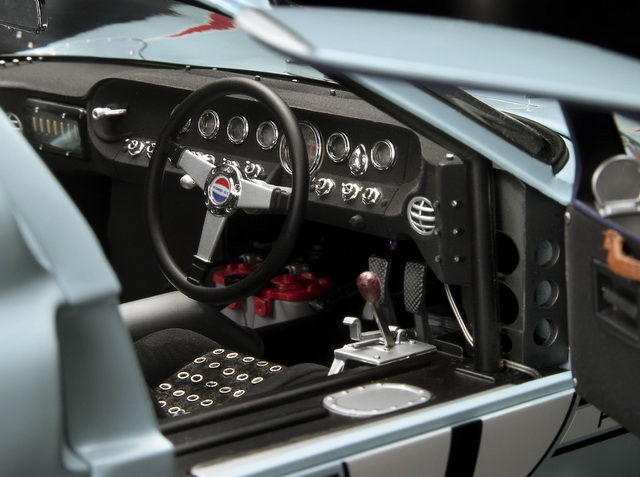
Snick open the door handle, and another whole world of detail is revealed. The doors themselves are secured with microscopic spring-loaded ball bearings which click right into their corresponding latches. Just to illustrate the lengths Exoto went to with this piece, there is a tiny chassis number plate affixed to the firewall just behind the driver’s seat. It reads ‘Ford Advanced Vehicles Ltd. Chassis no.____’. This metal plate isn’t printed, it’s stamped, with raised lettering. It is impossible to read without magnification, but it’s all there! The attention to detail is jaw-dropping. The door interiors feature hand applied rivets, real leather pull straps and fully functioning, locking perspex vent windows. The seats feature the iconic GT40 metal-ringed vents, four-point safely harnesses, leather-like seating surfaces, and again, in a fit of hyper-authenticity, the seat’s webbing support system is just visible below the side bolsters. The positionable gear lever sits just to the steering wheel’s right, and comes equipped with a working reverse lock-out lever! The glazed, chrome-bezeled instruments are readable, and the ten dash mounted toggle switches actually work. Nestled in the driver’s footwell are functional accelerator, brake, clutch, and dead pedals. The opposite footwell carries the battery, its hold-down bracket, and electrical cables. The perspex-covered fusebox is also on view, just forward of the passenger seat.
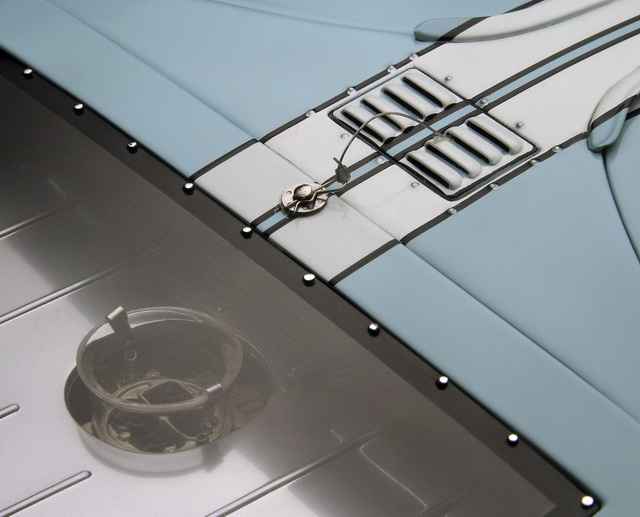
Travelling aft, remove the roof-mounted bonnet clip, flick open the side securing levers, tilt the clamshell rearward, and the thundering 7 litre heart of this beast is revealed in all its glory.
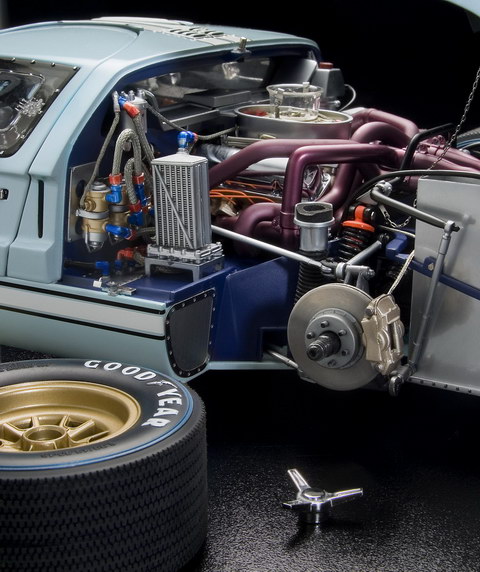
There is simply too much going on back here to elaborate fully. Suffice it to say that this is not only a model to enjoy, but one worthy of study, to determine how the real GT40 worked. Every fuel, coolant, and oil line is fabricated from braided wire, and secured with ubiquitous red and blue anodized A/N fittings.
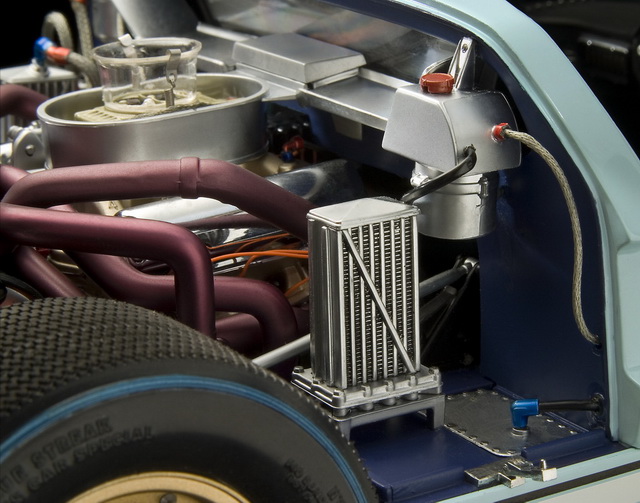
Every scoop and vent is functional, allowing the viewer to understand just how cooling air was funneled to the engine bay and braking systems.
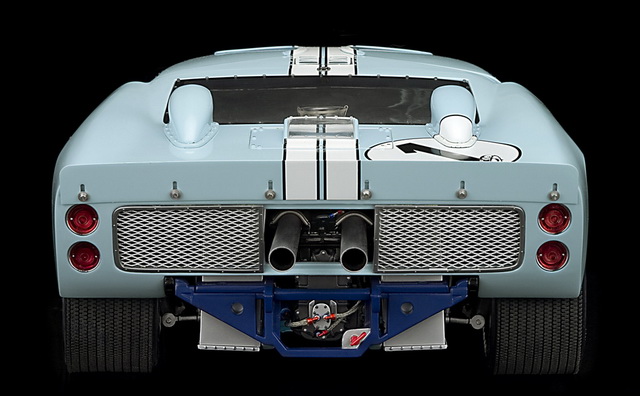
The massive dual exhausts are secured to the framework by a double coil spring arrangement, while the rear lip spoiler is fully height-adjustable. All four wheels are removable, as are the brake calipers and discs.
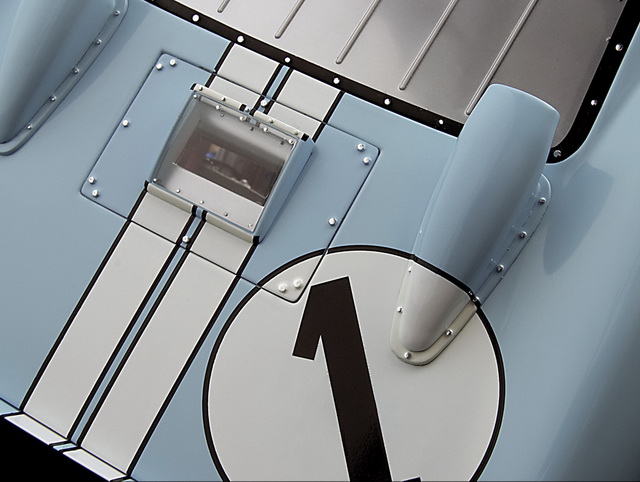
Exoto has produced one of the finest large-scale die cast models in history, which deserves a place of honor in any serious collection. It really is that good!
(Credit: aeromobilia)
歷史重溫
By admin, March 8, 2015 4:59 pm
可能有很多年輕的朋友未必知道車神冼拿也曾經效力過香港的車隊! (德利賽車隊香港), 旁邊的那位就是車隊的老闆葉德利先生。
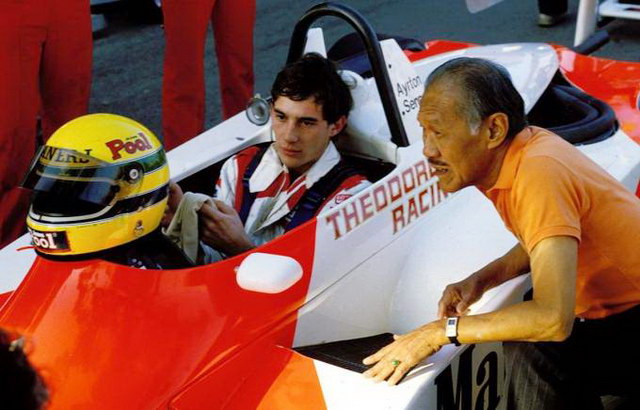
1/18 Minichamps 540-831813 Ralt Toyota RT3 #3 Winner Macau GP, 1983

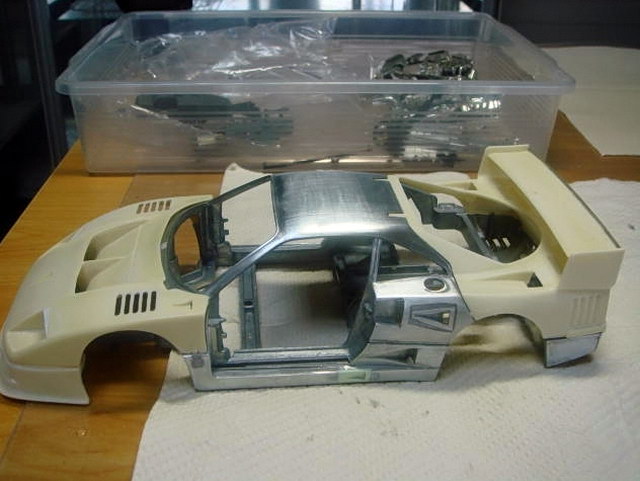
難得一見的Versus工作室
By admin, March 7, 2015 10:22 pm
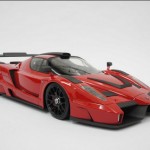
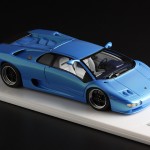
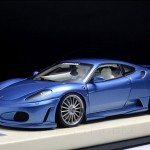
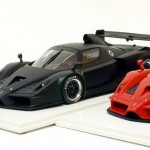
日本汽車模型改裝大師的一切已經在2011年那場大海嘯中消失的無影無蹤,剩下的只留下無限的回憶和他那些遺留在世界各地收藏家手中的藝術品。
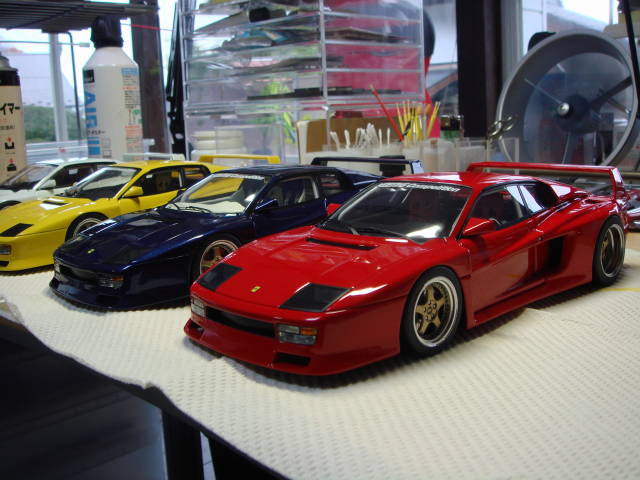
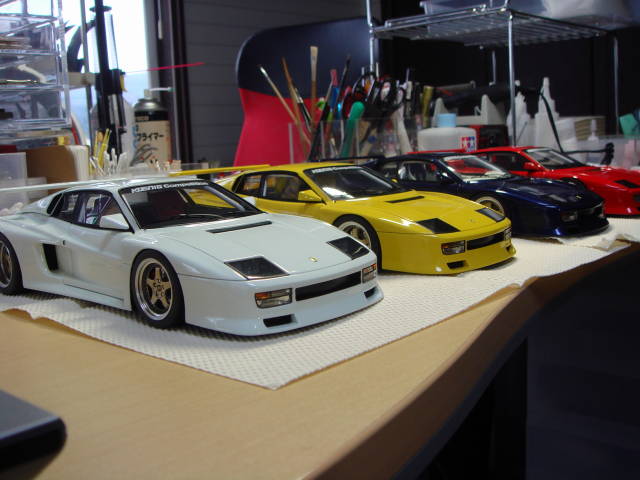
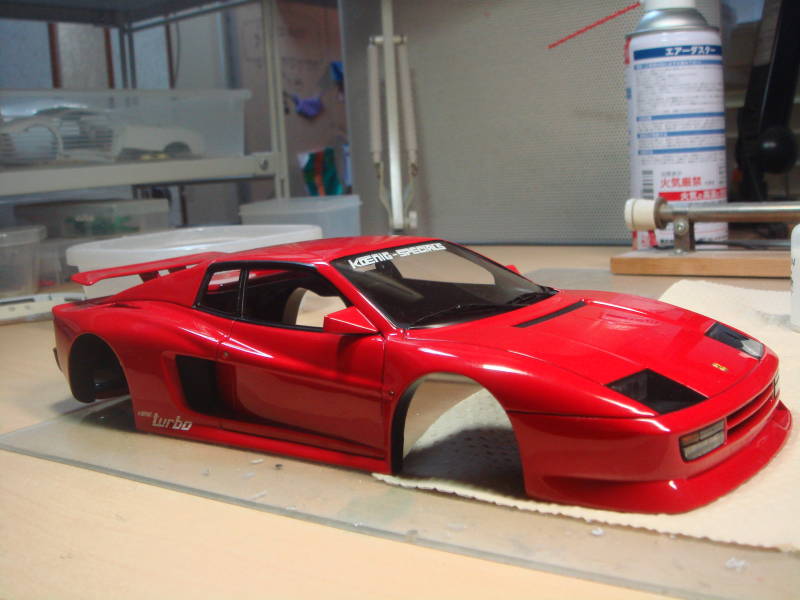
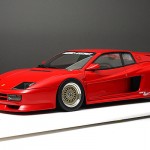
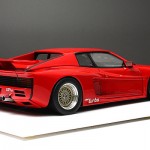
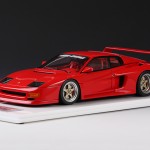
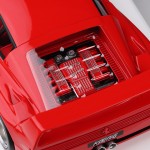
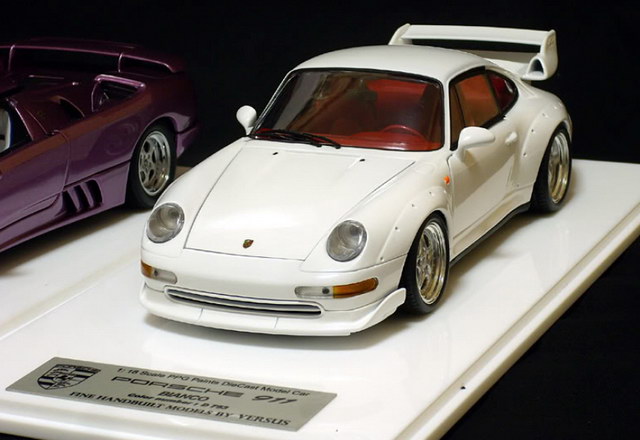
手版收藏專家: Hirokun Collection
By admin, March 7, 2015 9:17 pm
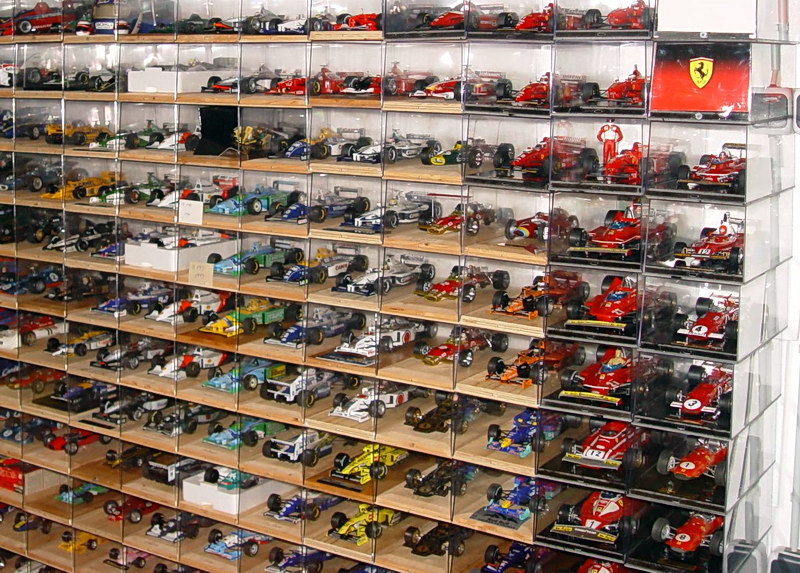
這位來自日本的收藏家Hirokun專門收藏那些罕有而且限量的1/18手版汽車模型,比如說VERSUS/APM/MG Model/MR Collection等等。經過多年觀察市場所得,懂得欣賞和給得起這些天價的收藏家大多數都在法國和日本,可能跟他們的藝術文化背景有關。